Articles

The Hidden Costs of Not Using Fountain Beverage Water Filtration
  • Article published at:
  • Article comments count: 0
The Hidden Costs of Not Using Fountain Beverage Water Filtration
When a customer orders a fountain drink, they expect a refreshing and flavorful beverage that matches what they have come to love from their favorite brand. What many business owners do not realize is that the quality of a fountain drink depends heavily on the quality of the water running through the system. Water makes up the majority of every soda poured from a fountain, and even small issues in water quality can lead to a noticeable drop in taste and consistency. For restaurants, cafes, convenience stores, and any business that serves fountain beverages, skipping a dedicated fountain beverage water filtration system can become an expensive decision. While most operators look for ways to reduce costs, failing to invest in proper filtration can lead to hidden expenses that quietly grow over time. Poor Water Quality Leads to Customer Dissatisfaction Customers are quick to notice when something tastes off. Whether it is a flat soda or a drink with a strange aftertaste, poor tasting beverages can drive customers to voice complaints, leave negative reviews, or simply choose not to come back. Since fountain beverages generate some of the highest profit margins in foodservice, even a small drop in soda sales can affect revenue in a significant way. Without a fountain beverage water filter, chlorine and chloramine in municipal water can seep into the flavor profile of the drink. These disinfectants are necessary for safe tap water, but they create sharp, unpleasant tastes that alter the intended flavor of soda formulas. Sediment or rust particles can also make their way into a drink, reducing clarity and creating visible imperfections. In a competitive market, the taste of your beverages matters. A single bad experience can turn a repeat customer into a lost customer. A basic water filter prevents these issues by removing impurities that interfere with both flavor and appearance. Increased Maintenance Costs from Scale Buildup Water often contains minerals such as calcium and magnesium. When these minerals are not filtered out before entering a beverage dispenser, they create scale buildup inside lines, valves, nozzles, and internal components. This scale does not develop overnight. It slowly accumulates, coating surfaces and restricting proper flow. As scale increases, your equipment works harder and becomes less efficient. You may begin to notice inconsistent syrup ratios, reduced carbonation, or slow dispensing speeds. Eventually, these issues require repairs that cost far more than a reliable fountain beverage water filtration system would have cost from the start. Maintenance technicians often see unfiltered systems fail prematurely simply because mineral buildup has choked the equipment. Once the scale becomes severe, the repairs are not only expensive but also time consuming. During the downtime, you lose beverage sales and risk frustrating customers who expect a full menu of drink options. Reduced Carbonation and Flat Drinks Carbonation is essential to the refreshing experience of a fountain beverage. Water that contains chlorine or excessive minerals interferes with carbon dioxide absorption. When CO2 cannot dissolve properly, the drink pours flat no matter how much syrup or ice you add. Flat drinks not only disappoint customers but also damage your reputation. Many customers will simply assume your machine is old or not maintained properly, which may reflect poorly on the overall cleanliness of your business. A fountain beverage water filter removes those contaminants that prevent carbon dioxide from bonding with water. With consistent carbonation, your drinks taste fresh, crisp, and lively. This keeps customers satisfied and confident that your business delivers quality beverages every time. Loss of Brand Consistency Major beverage brands work hard to protect their signature flavors. A cola, lemon lime soda, or root beer from a fountain should taste the same no matter which restaurant or store it is purchased from. When a business does not use fountain beverage water filtration, the flavor profile varies from location to location because unfiltered tap water differs in taste, clarity, and mineral content. This inconsistency makes it difficult to meet customer expectations. Someone who enjoys a certain soda at one store may be disappointed when the same drink tastes different at your location. If you want to protect brand consistency, filtration is one of the easiest ways to ensure every pour meets the intended flavor standards. More Frequent Equipment Replacement A beverage dispenser is a significant investment for any foodservice business. Without proper filtration, the lifespan of that equipment decreases dramatically. Scale buildup, corrosion, sediment wear, and syrup ratio complications all take a toll on internal parts. Replacing a dispenser early is far more expensive than installing a fountain beverage water filter and following a regular cartridge replacement schedule. When equipment is protected from contaminants, it continues to run smoothly for years beyond its expected life. This reduces your capital expenses and keeps your beverage program profitable. Higher Energy Usage Equipment that struggles with mineral buildup or flow restrictions often consumes more power. Motors and pumps need to work harder, and cooling systems may become inefficient. Even if the increased energy usage seems minor, it steadily raises utility bills over months or years. Unfiltered water forces your equipment out of its ideal operating conditions, which leads to higher energy consumption and unnecessary operating costs. Filtration ensures that water flows smoothly, carbonation functions correctly, and systems operate at peak efficiency. Over time, this results in measurable savings on energy bills. Poor Ice Quality Affects More Than Beverages Many fountain beverage setups share the same water line that feeds the ice machine. If you are not filtering your water, your ice will suffer the same issues as your drinks. Cloudy ice, strange tasting ice, and ice that melts too quickly can all be traced back to poor water quality. Since ice is consumed directly or mixed with beverages, its quality has a direct impact on customer satisfaction. Customers often judge a drink by its appearance first. Clear ice made from filtered water looks cleaner and more professional, providing a better overall presentation and taste. A fountain beverage water filter helps ensure that both your drinks and ice meet quality expectations every day. The Long Term Savings of Using a Fountain Beverage Water Filter A filtration system is not just an accessory for beverage equipment. It is a long term investment that protects your business from a steady stream of hidden costs. Preventing off tastes keeps customers coming back. Avoiding scale buildup reduces maintenance expenses. Protecting carbonation efficiency preserves syrup. Ensuring consistent water quality safeguards your brand reputation. If you want your beverage program to succeed, fountain beverage water filtration is not optional. It is an essential part of maintaining quality, reducing expenses, and keeping your equipment performing at the highest level. When you consider the risks and expenses that come from unfiltered water, the cost of a filtration system is remarkably small compared to the overall savings it provides. Investing in filtration is one of the smartest moves any business can make to protect its fountain drinks and keep customers happy for years to come.
Read article
Everpure Water Systems
  • Article published at:
  • Article comments count: 0
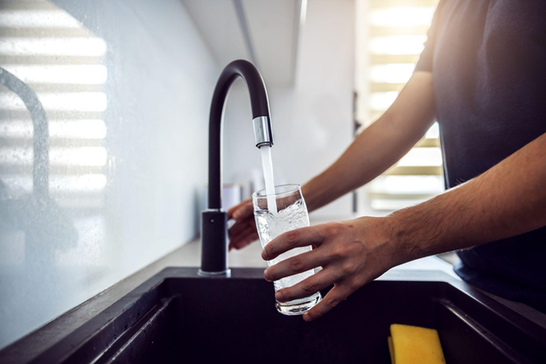
How Everpure Water Systems Improve Taste, Odor, and Clarity
When it comes to drinking water, most people think about convenience before quality. While tap water may appear clean, it can often contain subtle impurities that affect the way it tastes and smells. Even small amounts of chlorine, sediment, or organic compounds can change the flavor of your water and make it less enjoyable to drink or cook with. That is where Everpure Water Systems stands out. Known for their advanced filtration technology and long-lasting cartridges, Everpure is designed to give homeowners cleaner, clearer, and better-tasting water right from their tap. Understanding What Affects Water Taste and Odor Before understanding how Everpure Water Systems works, it helps to know why water sometimes tastes or smells unpleasant. Municipal water supplies are treated with chemicals like chlorine or chloramine to kill bacteria and viruses. While these disinfectants are necessary for safety, they often leave behind a strong chemical taste or odor. Other sources of poor water quality include: Sediment and Rust: Aging pipes can release fine particles into the water, leading to a cloudy appearance or metallic taste. Organic Compounds: Naturally occurring materials or agricultural runoff can affect the smell and flavor of water. Volatile Organic Chemicals (VOCs): Industrial pollution and household products can introduce VOCs that alter the water’s quality. Hard Water Minerals: Although calcium and magnesium are not harmful, they can sometimes affect the way water tastes and interacts with food and beverages. These issues are not always visible, but they can impact your daily experience in small but noticeable ways. Even if your water looks clear, a filtration system like Everpure can reveal how much improvement is possible. The Technology Behind Everpure Filtration Everpure Water Systems uses a combination of advanced filtration techniques to remove contaminants without stripping away essential minerals. At the heart of most Everpure systems is a micro-pure filter cartridge that utilizes a fine carbon block and proprietary filtering media. This design allows it to capture particles as small as 0.5 microns in size, including sediment, cysts, and even certain bacteria. Key features of Everpure filtration include: Activated Carbon Filtration: Everpure uses high-quality activated carbon that adsorbs chlorine, chloramine, and organic compounds responsible for unpleasant tastes and odors. This process does not just mask the smell but removes the source of it entirely. Precoat Submicron Technology: This technology involves a fine coating of carbon and filtering materials applied to a membrane. It allows for deep contaminant capture while maintaining a high flow rate. This ensures the water flows smoothly while still being filtered thoroughly. Metal Reduction: Many Everpure systems also help reduce lead and other heavy metals that can leach from old plumbing systems. Removing these metals contributes not only to better safety but also to a cleaner taste. Scale Inhibition: Some Everpure cartridges include a scale inhibitor that helps reduce mineral buildup in coffee makers, ice machines, and kitchen appliances. This keeps your water-based equipment functioning efficiently. How Everpure Improves Water Taste Taste is often the first thing people notice after installing an Everpure system. By removing chlorine, sediment, and other impurities, Everpure water takes on a crisp, clean flavor that makes it more refreshing to drink. Many users also find that their beverages and recipes taste better because the water no longer introduces unwanted flavors. For example, coffee and tea brewed with filtered water have a smoother, more balanced taste. Vegetables cooked in filtered water retain more of their natural flavor, and soups or sauces come out cleaner and more consistent. When water tastes good on its own, you naturally drink more of it and use it more confidently in cooking. Eliminating Odors for a Fresher Experience Everpure Water Systems are particularly effective at eliminating odors caused by chlorine and organic contaminants. Chlorine odors can sometimes make tap water smell like a swimming pool, which can be unpleasant when drinking or cooking. The activated carbon inside Everpure cartridges traps and neutralizes these compounds, leaving your water odor-free. This is especially noticeable when you run your tap after the water has been sitting in the pipes for a while. Instead of a sharp or musty smell, you get a fresh, neutral aroma that makes your kitchen or home feel cleaner overall. Crystal Clear Water Every Time In addition to improving taste and odor, Everpure Water Systems significantly enhance clarity. Sediment, rust, and fine particles can make water appear cloudy even if it is technically safe to drink. Everpure’s micro-filtration design captures these microscopic particles, resulting in visibly clearer water. This improvement is easy to notice in clear glassware or when making ice. Ice cubes come out cleaner and more transparent, and glass cups no longer show residue or cloudiness after washing. Clean water also helps your kitchen appliances last longer since it reduces the buildup of debris inside your coffee makers and kettles. Why Everpure Is a Trusted Choice Everpure is one of the most respected names in residential and commercial water filtration. Their systems are used in homes, coffee shops, and restaurants worldwide, all seeking reliable filtration with professional-grade performance. The combination of technology, cartridge longevity, and easy maintenance makes Everpure systems stand out among other brands. Each cartridge is built to handle thousands of gallons of water before replacement, ensuring consistent quality over long periods. With simple maintenance and dependable results, Everpure provides peace of mind that your water will always be clean, fresh, and clear. Everpure Water Systems transforms ordinary tap water into something extraordinary. By removing impurities that affect taste, odor, and clarity, it delivers the kind of clean water that makes a noticeable difference every day. Whether you are drinking straight from the tap, brewing coffee, or preparing meals, you can count on Everpure to provide water that looks, smells, and tastes exactly the way it should: pure and refreshing. If you want to elevate your kitchen and enjoy better water at home, Everpure Water Systems are a trusted and effective solution that delivers long-term results.
Read article
Everpure H54
  • Article published at:
  • Article comments count: 0
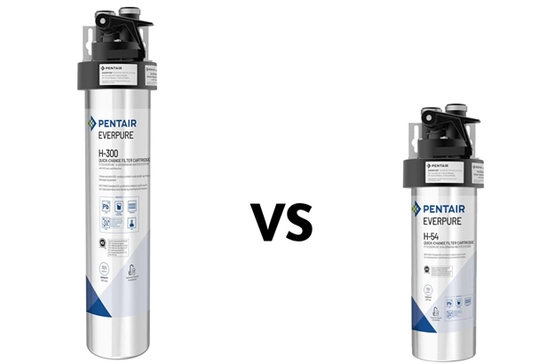
Everpure H54 vs. H300: Which Under-Sink Filter Is Right for You?
When it comes to under-sink water filtration, Everpure has long been a trusted name for homeowners and professionals who expect consistent performance and superior water quality. Two of their most popular models, the Everpure H54 and Everpure H300, are often compared side by side because they both provide high-quality filtration in compact, easy-to-install systems. However, there are key differences that can help you decide which one best fits your needs. Today we'll take a closer look at the Everpure H54 and H300, breaking down their features, benefits, and ideal use cases so you can confidently choose the right system for your kitchen. Overview of Everpure Under-Sink Filtration Systems Everpure under-sink filters are designed to deliver cleaner, better-tasting water directly from your tap without the need for bulky countertop units or frequent filter changes. Both the H54 and H300 use the brand’s proprietary Micro-Pure filtration media, which is known for reducing chlorine taste and odor, as well as other contaminants that can affect flavor and clarity. Each system uses a cartridge-style design, making it simple to replace the filter without tools or complicated plumbing. This is one of the reasons Everpure products are favored by both residential users and commercial establishments that require consistently great-tasting water for beverages and food preparation. Introducing the Everpure H54 The Everpure H54 is a compact under-sink filtration system that delivers impressive results despite its smaller size. It is designed for users who want reliable filtration without sacrificing cabinet space or water flow. Key Features: Capacity: Approximately 750 gallons Flow Rate: 0.5 gallons per minute Micron Rating: 0.5 micron Filter Media: Everpure’s Micro-Pure II media Contaminant Reduction: Chlorine taste and odor, particulate matter, and some chemical contaminants Certifications: NSF/ANSI Standard 42 and 53 The H54’s design makes it a great fit for small households, apartments, and offices where water consumption is moderate. The 750-gallon capacity typically provides about six months of use before the filter cartridge needs to be replaced. One of the main advantages of the H54 is its compact size, allowing it to fit easily under sinks with limited space. Despite its small footprint, it produces crisp, clean water that enhances the taste of coffee, tea, and cooking ingredients. Introducing the Everpure H300 The Everpure H300 is a step up in terms of capacity and contaminant reduction. It shares much of the same design and installation simplicity as the H54 but is tailored for users who consume more water or want more comprehensive filtration. Key Features: Capacity: Approximately 300 gallons higher than the H54, at about 1,000 gallons Flow Rate: 0.5 gallons per minute Micron Rating: 0.5 micron Filter Media: Everpure’s Micro-Pure II carbon block technology Contaminant Reduction: Chlorine taste and odor, lead, cysts, VOCs, and other impurities Certifications: NSF/ANSI Standard 42 and 53 The H300 provides a higher level of filtration, particularly for homes where lead reduction and cyst removal are important. With a longer lifespan, it is ideal for families that consume a larger volume of drinking water or use filtered water for cooking and ice makers. Side-by-Side Comparison Feature Everpure H54 Everpure H300 Capacity ~750 gallons ~1,000 gallons Flow Rate 0.5 GPM 0.5 GPM Micron Rating 0.5 0.5 Filtration Media Micro-Pure II Micro-Pure II Removes Lead No Yes Removes Cysts No Yes Size Compact Slightly larger Ideal For Apartments, smaller households Families, high-demand kitchens Lifespan ~6 months ~12 months Filtration Performance Both systems use Everpure’s signature Micro-Pure technology, which combines carbon block filtration with a pleated design to trap very fine particles while maintaining steady water pressure. However, the H300 offers more advanced contaminant reduction. While both filters effectively improve taste by removing chlorine and particulates, the H300 goes a step further by filtering out lead, VOCs, and microbial cysts, making it a more comprehensive choice for families concerned about water purity. The H54, in contrast, focuses on providing excellent basic filtration. It removes chlorine, sediment, and unpleasant odors but is not certified to remove heavy metals. If your home’s water source is already of good quality but you want to enhance taste, the H54 is often sufficient. Installation and Maintenance Installation is nearly identical for both systems. Each filter uses the same Everpure QL head, which mounts under your sink and allows quick cartridge changes. Replacing a cartridge involves twisting out the old filter and inserting the new one: no tools required. Both models can be paired with a dedicated faucet for filtered water or integrated with an existing tap if compatible. When it comes to maintenance, the H54 typically requires replacement every six months, while the H300 can last closer to a full year, depending on water usage and quality. Regular replacement ensures optimal performance and prevents buildup inside the filter media. Taste and Water Quality If you frequently notice chlorine taste or odor in your tap water, either system will make a significant improvement. The H54 delivers fresh-tasting water ideal for drinking and cooking, while the H300 goes further by targeting more complex contaminants that can subtly affect flavor and appearance. Many users report that coffee, tea, and other beverages made with filtered water from either system taste noticeably better. This improvement is due to the removal of chemical residues that interfere with the natural flavors of ingredients. Cost and Long-Term Value The H54 is typically priced lower upfront, making it an appealing choice for users who want a budget-friendly yet high-quality filtration solution. Its smaller capacity means cartridge replacements are needed more often, which can add to long-term costs depending on water consumption. The H300 has a slightly higher initial cost, but its longer lifespan and broader contaminant coverage often make it the more cost-effective option over time. For families who drink several gallons of water per day, the H300 can deliver better overall value. Which One Should You Choose? The decision between the Everpure H54 and H300 largely depends on your water usage, kitchen space, and filtration needs. Choose the Everpure H54 if: You live in an apartment, condo, or small household. Your local water supply is already relatively clean. You want a compact system that focuses on improving taste and clarity. You prefer a lower-cost entry point for under-sink filtration. Choose the Everpure H300 if: You have a family or high water consumption. You want more advanced contaminant removal, including lead and cysts. You prefer longer filter life and fewer cartridge replacements. You want the most comprehensive filtration Everpure offers for residential use. Both the Everpure H54 and Everpure H300 exemplify Everpure’s dedication to high-quality water filtration. They are engineered for reliability, easy installation, and exceptional taste improvement. The key difference lies in their level of contaminant reduction and lifespan. If your priority is taste improvement in a smaller home, the H54 will more than meet your expectations. If you want broader contaminant protection and a system that can handle higher water demands, the H300 stands out as the better investment. No matter which model you choose, Everpure ensures that your water is clean, crisp, and ready for everything from cooking to drinking. Both filters represent an upgrade to your kitchen’s water quality, helping you enjoy the confidence that comes with every pour.
Read article
Everpure Replacement
  • Article published at:
  • Article comments count: 0
Everpure Replacement Made Easy: Installation Tips for Homeowners
When it comes to keeping your drinking water clean and refreshing, an Everpure water filter system is one of the most reliable solutions on the market. These systems are designed to provide high-quality filtration, but like any filter, they require regular replacement cartridges to maintain peak performance. If you have an Everpure system at home, understanding how to replace the cartridge properly can save you both time and money while ensuring that your water stays crystal clear. Why Replacing Your Everpure Cartridge Matters The filter inside your Everpure system works hard to remove impurities, chlorine tastes and odors, and even harmful contaminants from your water. Over time, the cartridge becomes saturated with particles and loses its effectiveness. Waiting too long to replace the cartridge can lead to: Reduced water flow Compromised water quality Increased strain on your filtration system Higher long-term costs from potential system damage That is why it is important to replace your Everpure cartridge on schedule. Most cartridges are designed to last around six to twelve months, depending on your water quality and household usage. Preparing for an Everpure Replacement Before you begin, make sure you have the right cartridge for your system. Everpure offers a variety of cartridges, such as the H-300, H-54, or H-104, each designed for different household needs. Check your system’s user manual or look at the label on your current cartridge to confirm which replacement you need. You will also want to gather a few supplies before you start: Your new Everpure replacement cartridge A towel or small bucket to catch any water drips A wrench if your system has a tightly secured filter head (though many Everpure systems are designed for tool-free replacement) Step-by-Step Guide to Installing an Everpure Replacement Cartridge Step 1: Turn Off the Water Supply The first step is to shut off the cold water supply leading to your filtration system. This prevents water from leaking or spraying when you remove the old cartridge. Step 2: Relieve Water Pressure Open a faucet connected to the system and let it run briefly to relieve any pressure inside the filter. This step makes it easier to remove the cartridge. Step 3: Remove the Old Cartridge Locate the used cartridge beneath your sink. Most Everpure cartridges are designed with a simple twist-off mechanism. Grip the cartridge, turn it counterclockwise, and carefully pull it down. Be prepared for a little water to spill out, so place your towel or bucket underneath. Step 4: Prepare the New Cartridge Unwrap your new Everpure replacement cartridge and inspect it for any damage. Check the O-rings or seals to make sure they are intact and lubricated. This helps create a tight fit when you install the new cartridge. Step 5: Install the New Cartridge Align the cartridge with the filter head and push it upward while turning it clockwise until it locks securely in place. You should feel the cartridge seat firmly, which ensures there are no leaks. Step 6: Turn the Water Supply Back On Once the cartridge is installed, turn the water supply back on slowly. Watch for any leaks around the connection point. If you notice drips, turn off the water and check that the cartridge is seated correctly. Step 7: Flush the System It is important to flush your new cartridge before drinking the water. Run water through the filter for about 5 to 10 minutes to remove any carbon fines or air bubbles that may be present. After flushing, your system is ready to use. Helpful Tips for Smooth Cartridge Replacement Keep a schedule: Mark your calendar or set a reminder when it is time to replace your cartridge. Staying on schedule helps maintain water quality and system longevity. Use genuine Everpure cartridges: While generic cartridges may seem cheaper, they often do not fit properly or provide the same level of filtration. Authentic Everpure replacements ensure compatibility and performance. Check your water quality: If you notice a drop in flow rate or a change in taste before your replacement is due, you may need to replace the cartridge sooner than expected. Store extra cartridges: Having a spare replacement on hand makes the process more convenient and prevents downtime in your water filtration system. Inspect the filter head: Each time you replace your cartridge, check the filter head for cracks, wear, or buildup. Keeping the filter head in good condition prevents leaks and prolongs the life of your system. Common Mistakes to Avoid Even though replacing an Everpure cartridge is simple, homeowners sometimes run into problems. Here are some pitfalls to watch out for: Forgetting to shut off the water supply before starting Skipping the flushing step, which can leave carbon particles in your drinking water Using too much force when tightening the cartridge, which may damage the connection Waiting too long between replacements, which can strain the system and reduce effectiveness Avoiding these mistakes helps ensure your replacement process goes smoothly every time. The Long-Term Value of Proper Cartridge Replacement By learning how to replace your Everpure cartridge correctly, you not only protect your filtration system but also protect your investment. A properly maintained Everpure system provides your household with consistent, great-tasting water for years. Regular cartridge changes are a small task that delivers big benefits in water quality and overall system performance. For homeowners, the peace of mind that comes with knowing your water is filtered correctly is invaluable. With just a little preparation and the right Everpure replacement cartridge, you can handle the installation with ease and confidence. Replacing your Everpure cartridge does not have to be complicated. With a few simple steps, you can keep your system performing at its best and ensure that every glass of water you pour is fresh, clean, and free of unwanted contaminants. Whether you are new to Everpure or have been using the system for years, taking the time to follow proper replacement practices will help your home enjoy reliable filtration for the long term.
Read article
Ice Maker Filter
  • Article published at:
  • Article comments count: 0
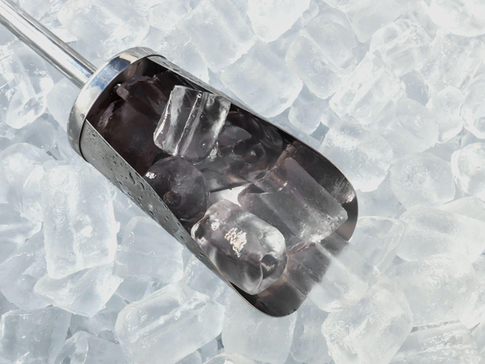
Top Signs Your Ice Maker Filter Needs Replacement
If you have ever enjoyed a glass of ice-cold water, a refreshing soda, or a cocktail straight from your refrigerator, you already know how much of a difference clean ice makes. What many people do not realize is that the taste, clarity, and quality of ice depend heavily on one small but vital component inside your appliance: the ice maker filter. Like any filter, an ice maker filter is designed to remove impurities such as chlorine, sediment, and minerals that can affect both flavor and performance. However, these filters do not last forever. Over time, they lose their ability to trap contaminants, which can result in poor-tasting ice, cloudy cubes, and even reduced efficiency of your machine. To keep your ice tasting its best and your ice maker running smoothly, it is important to know the warning signs that indicate your filter needs to be replaced. Below, we will break down the top signs to look for, why they happen, and how to fix them before they lead to bigger problems. Cloudy or Discolored Ice One of the first red flags that your ice maker filter is overdue for replacement is cloudy or discolored ice. Normally, ice should appear clear with a clean and fresh look. If your cubes are coming out milky or even slightly yellow, this usually means your filter is no longer effectively removing sediment and minerals from the water. Sediment and dissolved minerals cause small air bubbles to get trapped in the ice during the freezing process, which creates that cloudy appearance. While cloudy ice is not always harmful, it is often unappealing, especially if you are serving drinks to guests or customers. Discoloration is a stronger indication of impurities, and this is a sure sign your filter is not doing its job. Bad Taste or Odor in Your Ice Few things are worse than dropping a handful of ice cubes into a drink only to find that it tastes strange. If your ice has a metallic, musty, or chemical taste, the culprit is almost always a worn-out filter. These filters use activated carbon to absorb chlorine and other contaminants that alter taste and smell. As the filter fills up over time, it loses its capacity to remove these unwanted substances. The result is ice that can taste like tap water or even worse, depending on the quality of your water supply. Odors can also transfer from unfiltered water into your ice, leaving a lingering smell that makes beverages far less enjoyable. Replacing the filter is the simplest way to restore crisp, clean-tasting ice. Slower Ice Production An ice maker with a clogged filter often works harder than it should. As debris and buildup collect in the filter, the flow of water into the machine slows down. Since ice makers rely on a steady and strong water supply, any restriction will impact the speed and amount of ice produced. If you notice that your ice bin is not filling up as quickly as it used to, or that the machine is struggling to keep up with demand, it could mean the filter is clogged and needs attention. In some cases, replacing the filter can quickly bring your ice production back to normal without needing a service call. Smaller Ice Cubes Not only can a clogged filter slow down ice production, but it can also lead to smaller cubes. When the water flow is restricted, the ice maker tray does not receive enough water to create full-sized cubes. This results in half-filled cubes that melt faster in your drink and give the impression that your ice maker is underperforming. Consistently small cubes are a strong sign that your filter is past its prime and should be replaced to restore proper water flow. Strange Noises from the Ice Maker Sometimes, a filter that has become clogged or overused can cause your ice maker to make unusual sounds. You might hear grinding, buzzing, or knocking noises as the machine struggles to draw in water through a restricted filter. While not always immediately damaging, this strain can put extra wear and tear on the system, shortening its overall lifespan. If your ice maker has become noisier than usual, it is worth checking the filter as part of your troubleshooting process. Ice Maker Leaks A clogged filter can sometimes cause water pressure imbalances in your ice maker, leading to leaks or drips around the unit. While not as common as cloudy ice or bad taste, this issue can occur when water struggles to flow through a blocked filter. Over time, the pressure buildup may find its way out through seals or connections. If you notice water pooling around your refrigerator or ice maker, inspect the filter as part of your investigation. Replacing it might resolve the issue before it causes more serious damage. It Has Been More Than Six Months Even if you are not experiencing obvious signs like bad taste or cloudy cubes, filters still need regular replacement. Most manufacturers recommend changing ice maker filters every six months. Depending on how heavily you use your ice maker and the quality of your local water supply, you may need to replace it even sooner. Think of filter replacement as preventive maintenance. By changing it on schedule, you avoid many of the problems described above and ensure your ice remains fresh and clean year-round. Why Replacing Your Ice Maker Filter Matters Neglecting your ice maker filter does more than affect the taste of your drinks. Here are some additional reasons to stay on top of filter changes: Better taste and clarity: Fresh filters remove chlorine, odors, and sediment for clean, crisp ice. Improved machine performance: Clean filters maintain steady water flow, which helps your ice maker run efficiently. Extended appliance life: Filters prevent scale and debris from building up inside your ice maker, reducing the risk of mechanical issues. Peace of mind: You can serve beverages to guests or customers without worrying about unpleasant taste or cloudy ice. How to Replace an Ice Maker Filter The replacement process varies depending on your refrigerator or ice machine model, but it is usually quick and straightforward. In most cases, you can follow these general steps: Locate the filter: This is often inside the refrigerator compartment, near the ice maker, or behind the grille at the bottom of the unit. Remove the old filter: Twist or pull it out, depending on the design. Some units have a button release. Insert the new filter: Align it properly and secure it in place. Flush the filter: Run a few cups of water through the new filter before making ice, which clears out any loose carbon particles. Always check your appliance’s user manual for specific instructions and recommended replacement filters. Your ice maker filter might not be something you think about every day, but it plays a crucial role in the quality of the ice you enjoy. Cloudy cubes, bad taste, slow production, and other warning signs are all indicators that it is time for a replacement. Even if you do not notice issues, swapping out your filter every six months is the best way to maintain performance and peace of mind. With a fresh filter, you can count on clear, great-tasting ice every time you open the freezer. A simple change today can save you from bigger headaches tomorrow, keeping your beverages fresh and your ice maker running smoothly for years to come.
Read article